
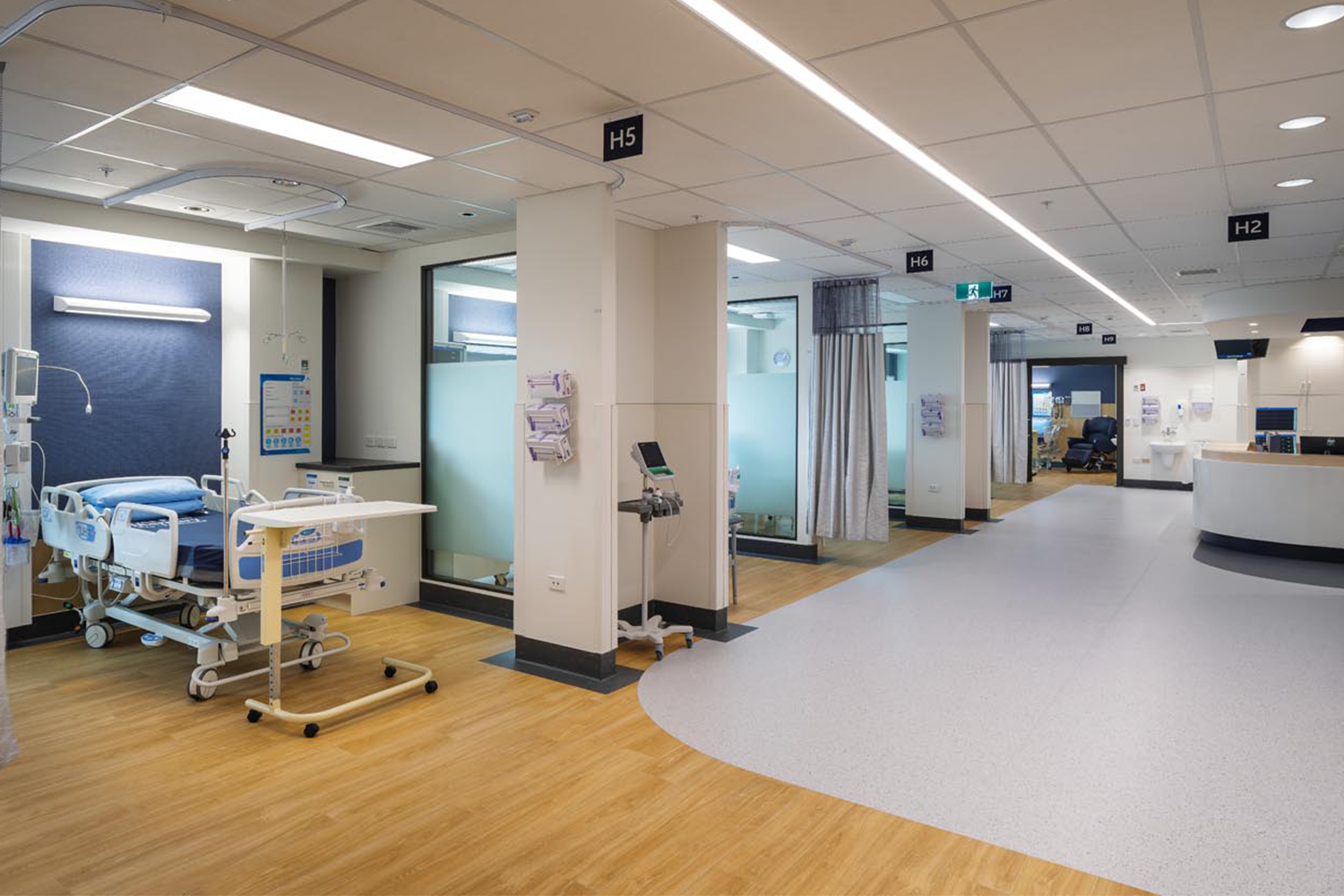
The Art of Visiting: Practical Hospital Etiquette Through the Eyes of a Surgeon, Patient, and Visitor
Over the course of my career in HPB surgery, I have spent countless hours inside New Zealand hospitals. But my perspective on the hospital environment hasn’t just been shaped from behind a surgical mask or a computer screen. I have also stood on the other side of the bed as a visitor, and I have […]

The Overlooked Necessity of Psychological Support in HPB Cancer Care
When we discuss major Hepato-Pancreato-Biliary (HPB) surgery for cancer, the conversation is often dominated by technical, tangible milestones. We focus on the resection margins, the operative time, the absence of complications and hospital stay. These metrics remain vital, but they represent only a portion of the patient’s experience. As an HPB surgeon, I see patients […]

The Case for Presence: Why In-Person Surgery Conferences Still Matter
In the post-COVID years, the professional conference landscape has changed significantly. The combination of improved teleconferencing technology and a heightened awareness of our environmental footprint has made “attending remotely” a standard, and often preferred, option. As someone who travels from New Zealand to international meetings—including upcoming commitments for the IHPBA in Singapore—I am acutely aware […]

The simple joy of operative surgery
Working as a surgeon can be quite fragmented. Between administrative tasks, research, clinical meetings, outpatient clinics etc, the day is usually divided into dozens of small, disconnected tasks that are often happening simultaneously. However, there is one place where this multi-tasking stops by necessity: the operating room. It facilitates the ability to do exactly one […]
The Role of Laparoscopic Suturing in Abdominal Surgery
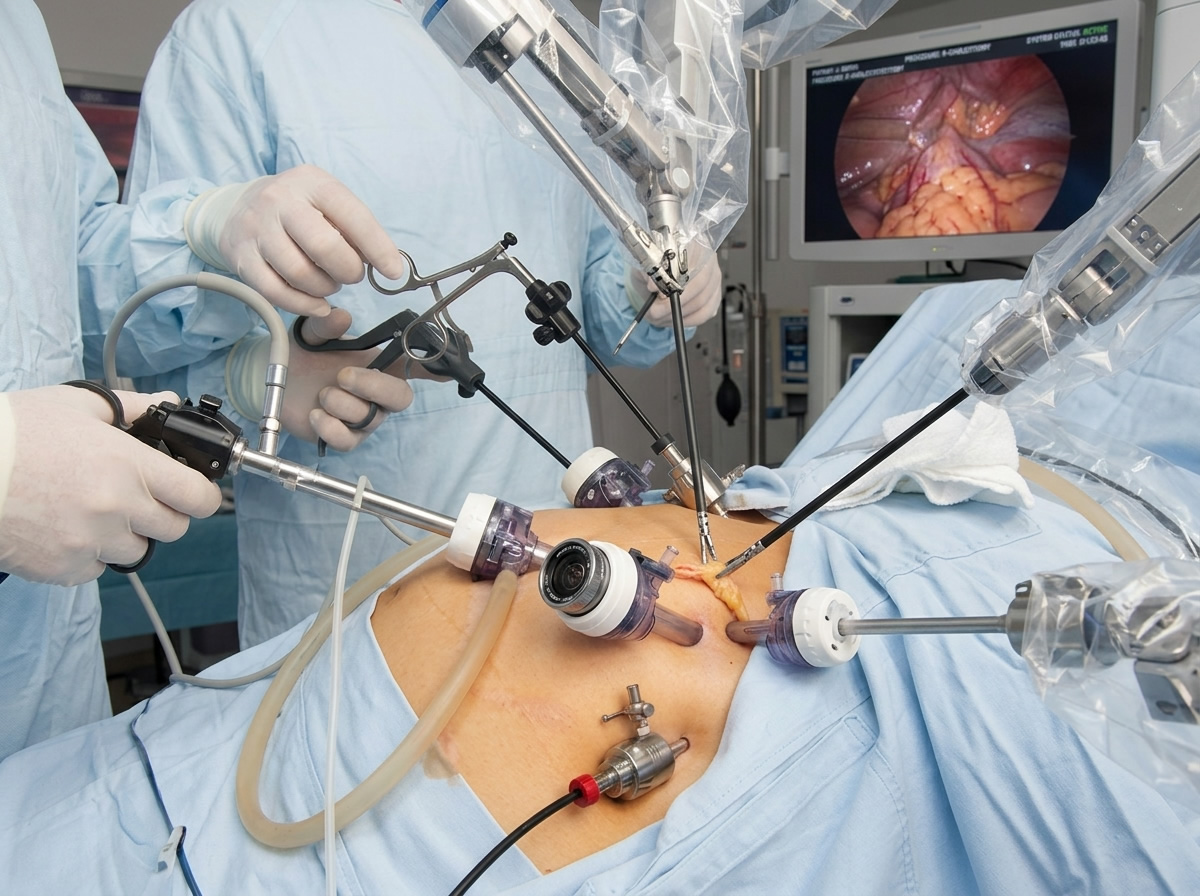
In the evolution of abdominal surgery, the transition from open to minimally invasive techniques has been one of the most significant shifts in patient care. As an HPB surgeon, I regularly use both robotic and advanced laparoscopic techniques. This has led to a recurring discussion with surgical trainees: Is manual laparoscopic suturing a necessary core […]
Is There a Role for Routine Robotic Gallbladder Surgery? (No)
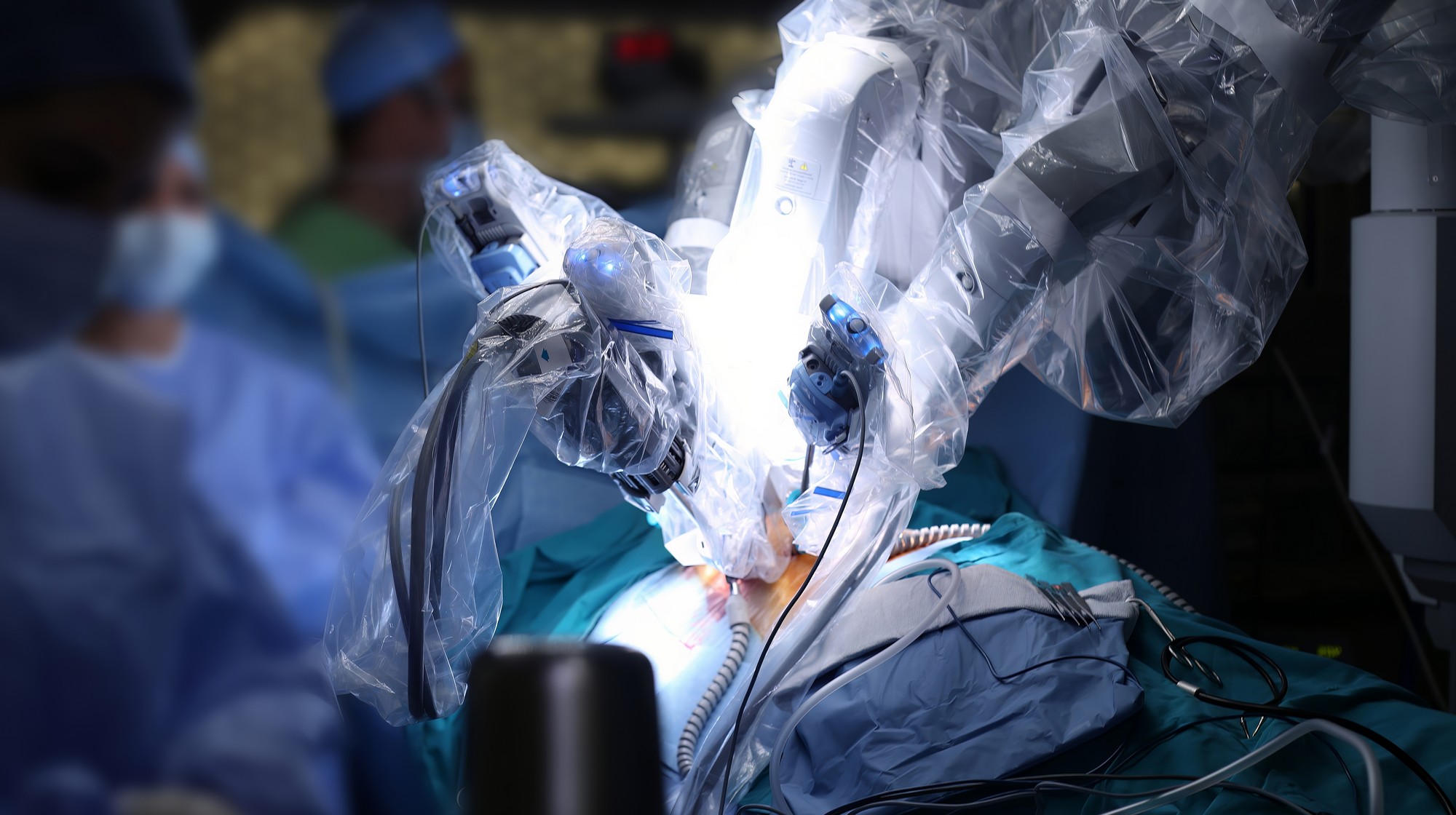
As an HPB surgeon, I am closely watching the rapid expansion of robotic platforms across New Zealand’s operating theatres. With this technological wave comes an inevitable question from both patients and colleagues: Should robotic cholecystectomy become our routine standard of care? If we look strictly at the data for an uncomplicated, everyday gallbladder removal, the […]
Understanding IPNB: Diagnosis and Management of Biliary Papillary Tumours
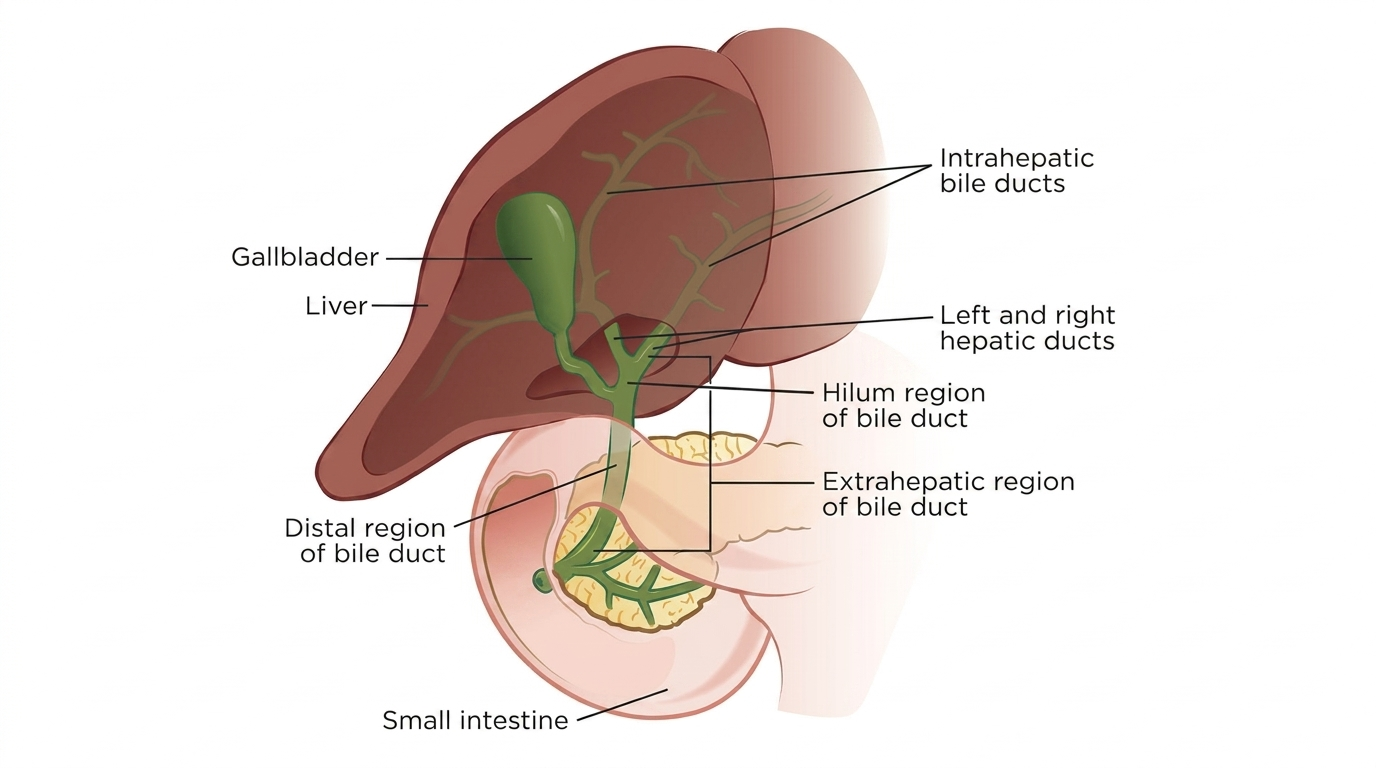
Intraductal Papillary Neoplasms of the Bile Duct (IPNB) are uncommon lesions that require a precise, methodical approach to both diagnosis and treatment. For patients, navigating this condition can be challenging due to its scarcity, while for clinicians, it represents an evolving area of biliary pathology. Recognized as a distinct entity in the World Health Organization […]

The Scholar-Surgeon: Does Your Surgeon Need to be an Academic?
When you or a loved one faces a complex diagnosis—particularly in the field of Hepato-Pancreato-Biliary (HPB) surgery—the first priority is usually finding someone with “good hands.” We want a technician who has performed the procedure hundreds of times. But increasingly, patients and colleagues are asking: Does it matter if my surgeon is also an academic? […]
Surgery Abroad: Is the Journey Worth the Risk? A New Zealand Perspective
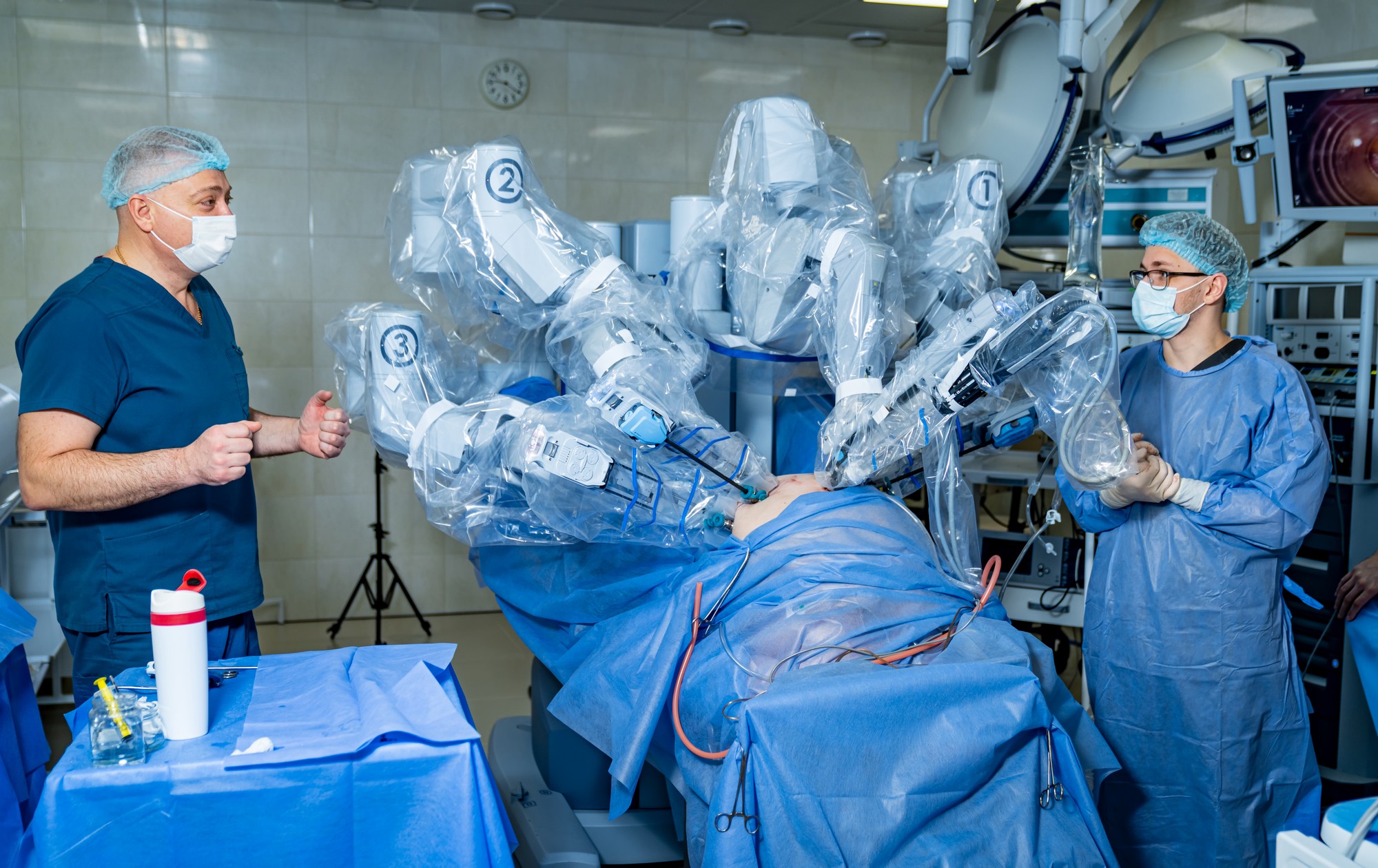
When a patient is faced with a surgical diagnosis and a public healthcare system that is undeniably under pressure—leading to significant wait times—the idea of traveling overseas for “faster, cheaper” surgery can seem like a logical solution. However, the decision to seek major surgery outside of New Zealand is rarely a simple transaction. It is […]
Why Your Gallbladder Matters Even Without “Typical” Pain
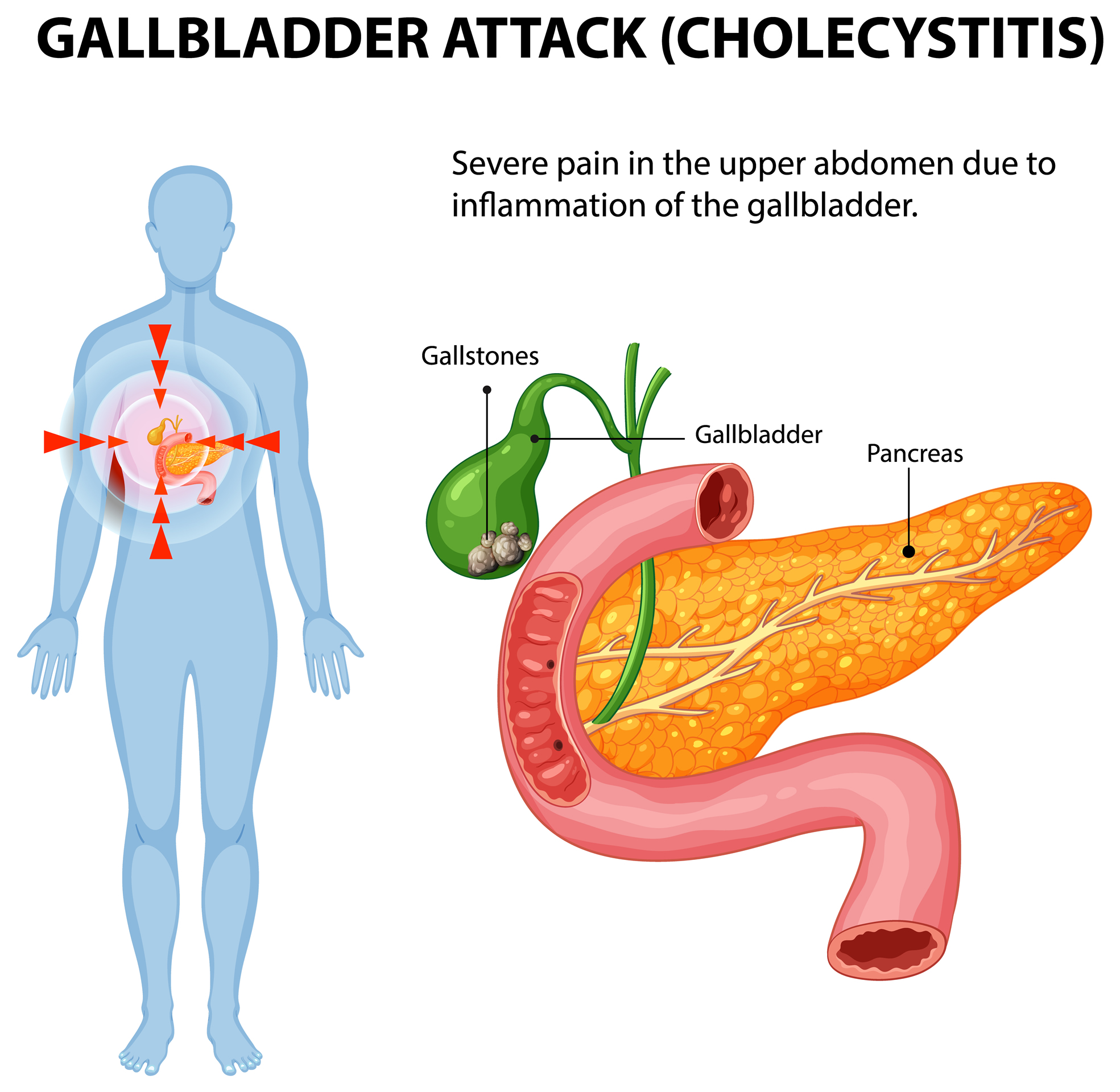
As an HPB (Hepato-Pancreato-Biliary) surgeon, I often meet patients who are surprised when they are told that they need gallbladder surgery (laparoscopic cholecystectomy). They haven’t had the classic “gallbladder attack” or severe inflammation like cholecystitis. Yet, they have experienced a serious secondary complication like pancreatitis or stones found in the common bile duct (CBD). If you are in […]