
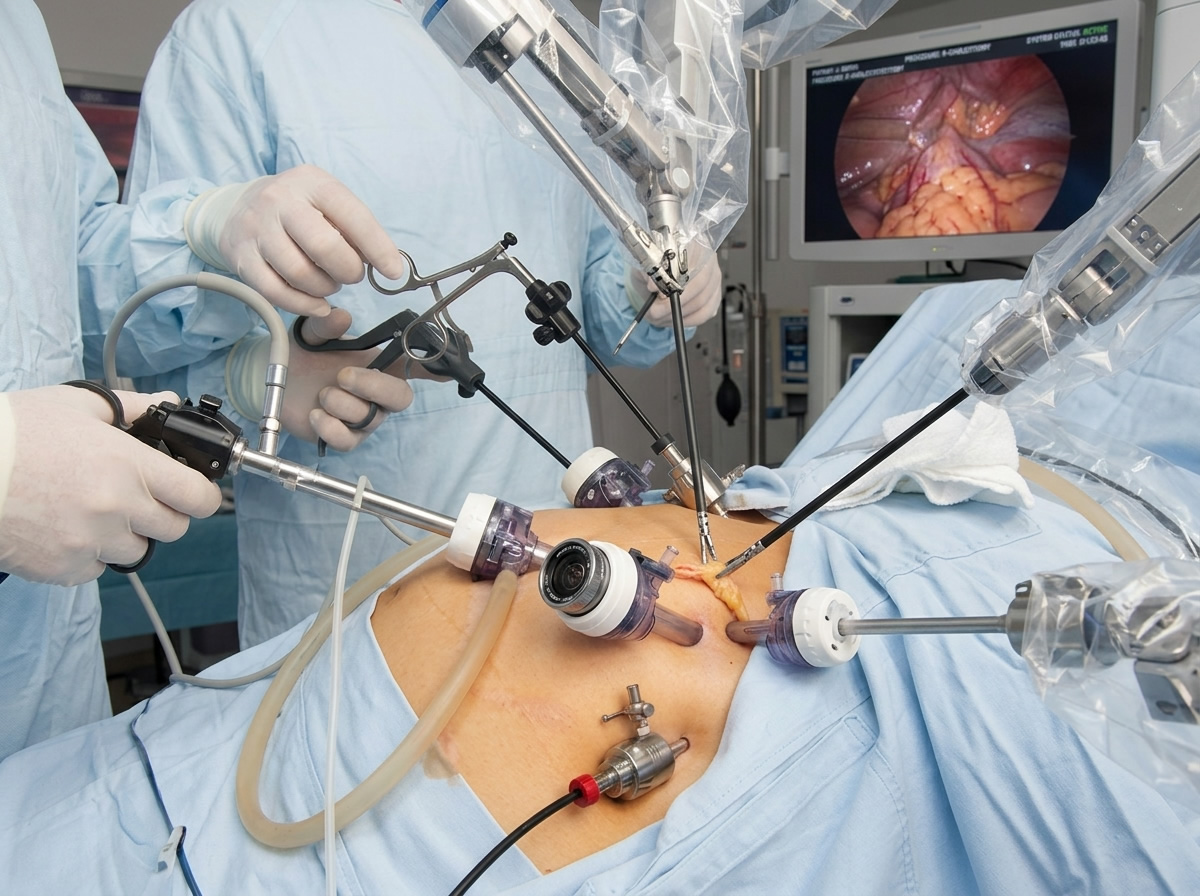
The Critical View of Safety in Laparoscopic Cholecystectomy: Why the Journey Matters Just as Much as the Destination
In modern HPB and general surgery, the Critical View of Safety (CVS) is widely accepted as the gold-standard method for preventing bile duct and vascular injuries during a laparoscopic cholecystectomy. First formalized by Strasberg and colleagues, achieving the CVS means confirming three concrete criteria before dividing any structures: clearing the hepatocystic triangle of all fibrofatty […]

Navigating Your Gallbladder Surgery: The Vital Role of the Intraoperative Cholangiogram (IOC)
If you are scheduled for a laparoscopic cholecystectomy (the surgical removal of the gallbladder), you may see a procedure called an Intraoperative Cholangiogram (IOC) listed on your consent form. As an HPB specialist, I consider this “road map” one of the most important safety steps during your operation. What is an IOC? While you are under anaesthesia, I perform […]
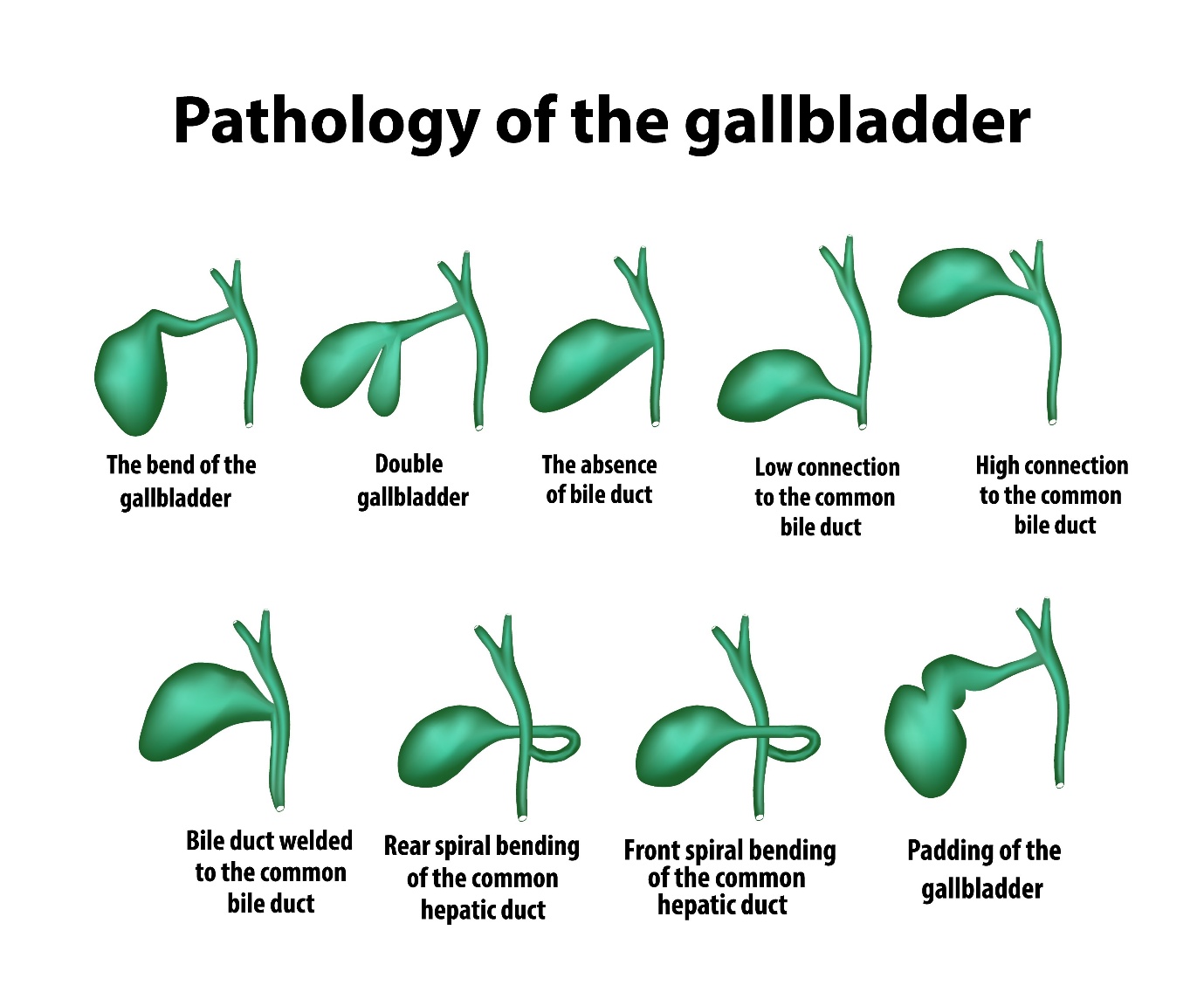
Anatomical variation when performing Laparoscopic Cholecystectomy
Laparoscopic cholecystectomy (gallbladder removal) is one of the most common operations performed worldwide. Because it is routine, there is a tendency to view it as “simple.” However, as an HPB surgeon, I often remind my trainees and my patients of a crucial fact: while the procedure is standardized, the anatomy is not. Every human body […]

What is the role of robotic surgery in gallbladder removal (Cholecystectomy)?
Gallbladder problems can significantly impact daily life, leading to symptoms like severe abdominal pain, nausea, vomiting, and digestive disturbances. When gallstones or other gallbladder-related issues cause significant discomfort, gallbladder removal surgery (cholecystectomy) becomes necessary. There are a few different approaches to this operation Laparoscopic Surgery This is the gold standard for removing the gallbladder. It […]