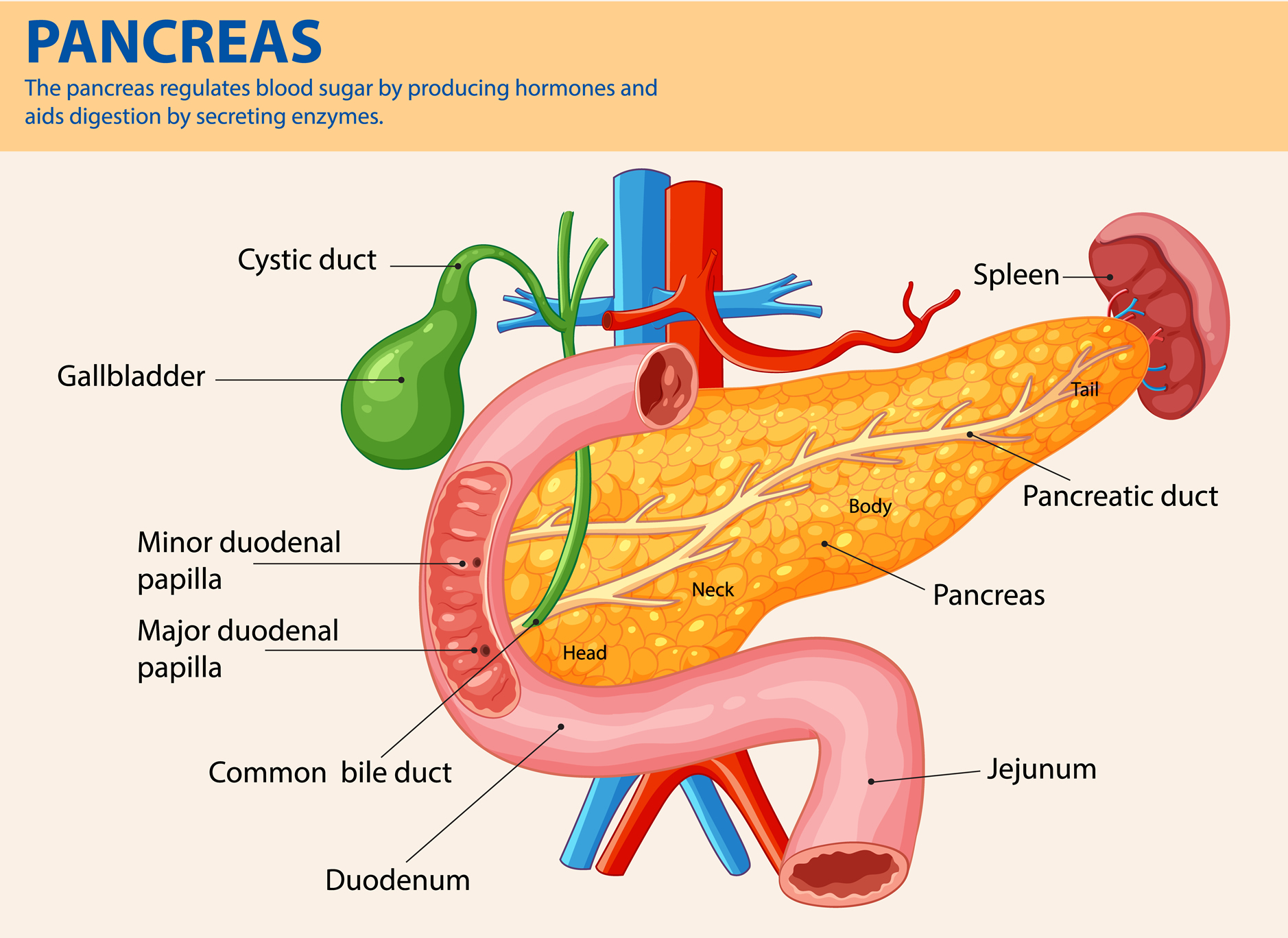
Recovery from major pancreatic surgery, such as a Whipple procedure, is a long-term process that continues for several months after you leave the hospital. While the first week at home is a significant milestone, you can expect your body to take 6 to 8 weeks to reach a baseline recovery, and up to 6 months for your digestive system and strength to fully normalize.
Managing Your Nutrition
Dietary adjustment is often the most challenging part of post-hospital life. The remaining pancreas produces fewer digestive enzymes, which can sometimes lead to bloating, gas, or oily stools. It is normal to lose weight during this time and the aim is to firstly minimise weight loss before getting to a plateau and then putting weight back on.
- Small, Frequent Meals: Aim for 6 to 8 small meals or snacks a day rather than three large ones.
- Protein Focus: High-protein, high-calorie foods (like eggs, fish, and Greek yoghurt) are essential for tissue healing. A good rule of thumb is to maximise good calories in any quantity of food (Lettuce is not your friend in this regard!)
- Enzyme Supplements: You may be prescribed pancreas enzyme supplements to take with every meal and snack to prevent malabsorption and weight loss.
- Hydration: Drink 6 to 12 cups of fluid daily. Try to drink between meals rather than during them to avoid feeling full too quickly. Sometimes it can be useful to drink protein-rich drinks rather than water to avoid feeling full without getting any calories.
Activity and Physical Recovery
Fatigue is the most common side effect following discharge.
- Walking: Gentle daily walks are encouraged to improve blood flow and prevent complications like pneumonia or blood clots.
- Lifting Restrictions: Avoid lifting anything heavier than 5 to 10 pounds (about 2.5–4.5kg) for at least 4 to 6 weeks to allow your abdominal wall to heal.
- Driving: Most patients must wait 3 to 6 weeks before driving. You must be off prescription pain medication (simple analgesia is ok) and able to perform an emergency stop without pain.
Wound and Drain Care
Your incision may have staples, stitches, or tape strips.
- Cleaning: Wash the area gently with warm, soapy water and pat dry. Avoid soaking in baths or pools until cleared by your surgeon.
- Drains: If you are discharged with a surgical drain, you will need to measure and record the daily fluid output for your follow-up team.
When to Contact Your Care Team
Seek medical advice immediately if you experience:
- Signs of Infection: Fever over 38°C, or an incision that is increasingly red, hot, swollen, or leaking pus.
- Pain Issues: Pain that is not controlled by your prescribed medication.
- Digestive Distress: Persistent vomiting, inability to drink fluids, or no bowel movements for several days.
- DVT Symptoms: Sudden swelling, redness, or pain in one leg.
Recovery after pancreatic surgery is a gradual process. Sometimes the incremental gains can be hard to appreciate and noted by those who see you less frequently. Regular follow-up with your surgeon and an ability to reach the surgeon quickly if required are important safeguards when managing your recovery at home.