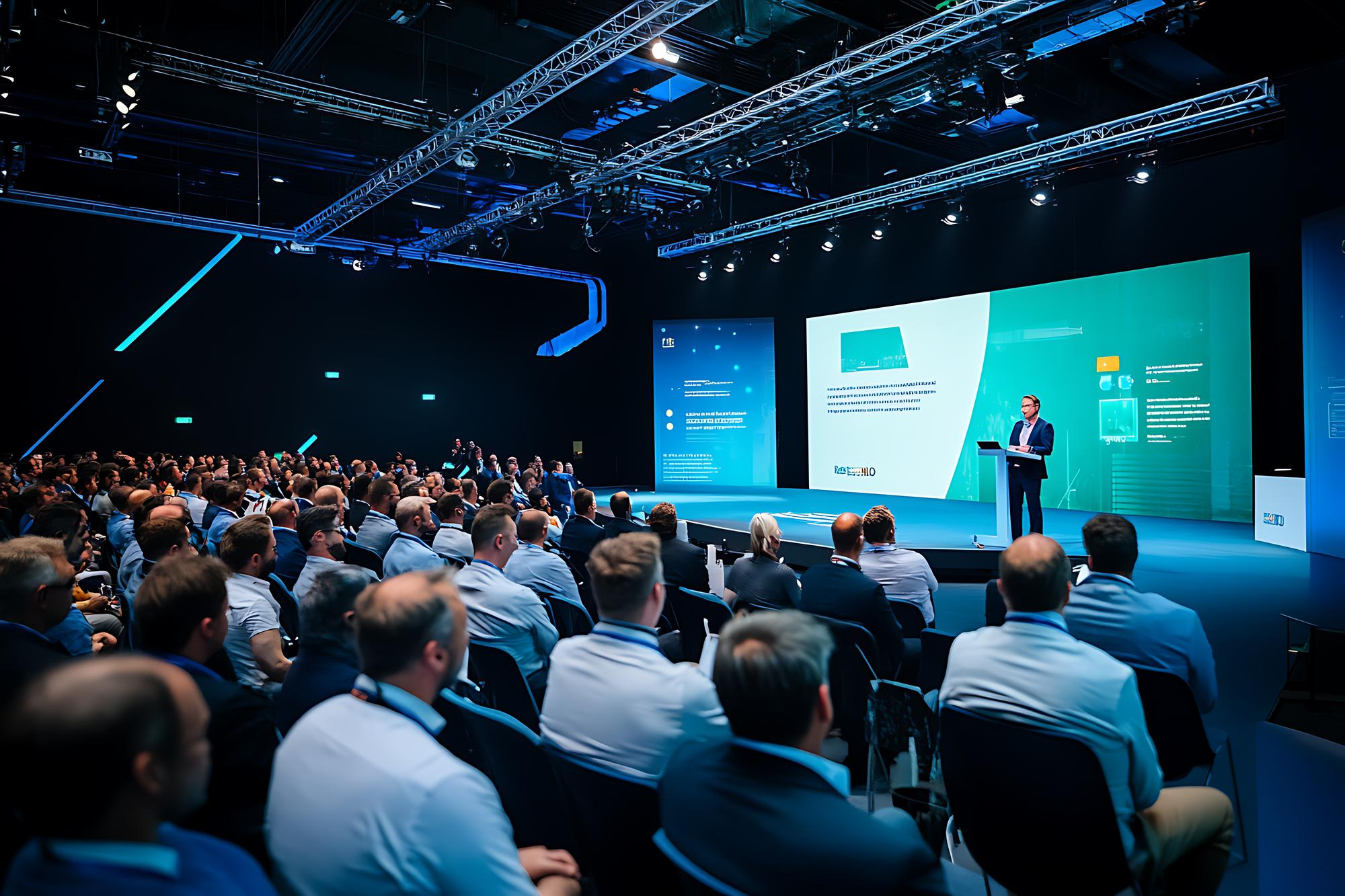
In the post-COVID years, the professional conference landscape has changed significantly. The combination of improved teleconferencing technology and a heightened awareness of our environmental footprint has made “attending remotely” a standard, and often preferred, option.
As someone who travels from New Zealand to international meetings—including upcoming commitments for the IHPBA in Singapore—I am acutely aware of the carbon cost and the logistics of long-haul travel. Yet, as we move further into a digital-first era, I believe we need to be careful not to mistake “attendance” for “engagement.” While the virtual platform is excellent for data consumption, it doesn’t replicate the specific benefits of face-to-face interaction in surgery.
Death by Powerpoint
If a conference were only about the transfer of information—listening to a surgeon present or watching a pre-recorded video—the remote model would be near-perfect. However, surgery is a craft rooted in human connection, mentorship, and spontaneous collaboration.
The most valuable moments at an HPB or surgical conference rarely occur during the formal Q&A. They happen on the margins:
- The “Sidebar” Conversation: It is often in the coffee line or at a dinner that a colleague mentions an unconventional approach to a difficult resection or a “lessons learned” moment from a complication they managed. These unfiltered, honest exchanges about clinical reality are rarely captured in a polished presentation.
- The Nuance of Informal Mentorship: For trainees and early-career surgeons, observing how senior colleagues interact, debate, and navigate professional disagreement is an essential part of development. You cannot learn the “art” of surgery by watching a screen; you learn it by observing the dynamics of the profession in real-time. Sometimes, the most valuable lesson is learning how not to behave!
- Building Trust-Based Networks: In my field, I frequently rely on a global network of peers to discuss complex, borderline-resectable cases. These professional relationships are built on the shared experience of face-to-face time. It is much easier to pick up the phone and consult a surgeon on a high-stakes case when you have already broken bread with them.
Reconciling the Environmental Cost
We cannot ignore the environmental impact of international travel. It is a valid criticism that must be addressed. However, the solution is not to abandon face-to-face gatherings; it is to make them count.
Rather than attending every meeting on the calendar, we should be more selective. We can commit to fewer, higher-impact meetings where the quality of the interaction justifies the travel. If I choose to fly from Auckland to Singapore, my goal is to ensure that I am contributing, learning, and networking in a way that provides value that could not have been achieved through a webinar.
The Verdict
Remote attendance has bridged a gap, making high-level medical education more accessible and sustainable. It is a welcome evolution. But we must be cautious not to lose the “human” element of our profession.
Surgery is a social and collaborative discipline. The best surgeons are not just those who read the latest journals; they are those who are part of a global community. That kind of professional friction, warmth, and genuine human connection requires us to be in the same room.