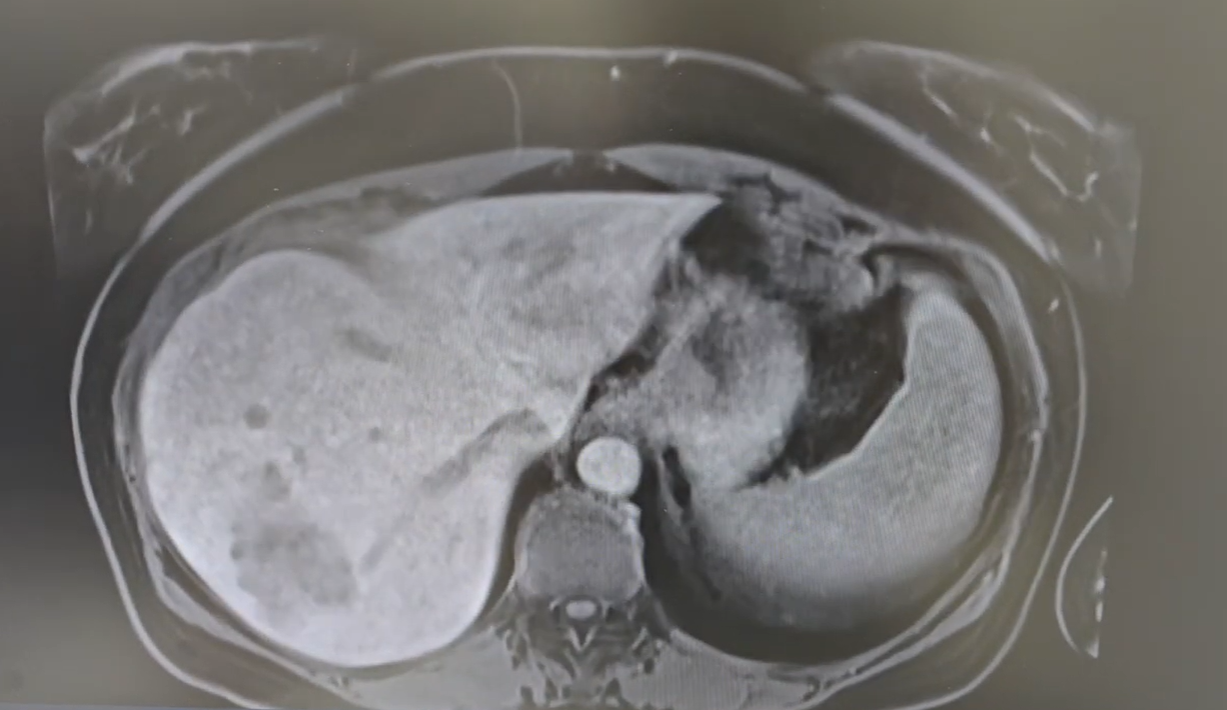
As experienced hepatopancreatobiliary (HPB) surgeons, we know that no two livers are exactly alike. While the general structure of the liver is consistent, the detailed vascular and biliary anatomy is subject to significant variations that impact the complexity and safety of a major hepatectomy.
Planning for liver surgery is a highly personalized, critical step that involves creating a detailed, 3D roadmap of the liver’s internal highway system.
The Hepatic Veins: A Critical Highway (Recap)
A major hepatectomy involves removing a large portion of the liver while meticulously preserving the remaining, healthy segments. The hepatic veins drain blood from the liver tissue back into the inferior vena cava (IVC). The common variation, the Inferior Right Hepatic Vein (IRHV), drains the lower posterior right lobe (Segments 6 and 7) and enters the IVC separately. This often needs separate control to avoid bleeding or conversely, may be preserved for a sectionectomy
Biliary Tree Variations
The bile ducts collect bile from the liver and drain it into the small intestine. Variations here can complicate the division of ducts and increase the risk of an anastomotic leak in complex reconstructions.
Trifurcation
What it is: Instead of the typical left and right main ducts joining, the right anterior, right posterior, and left main ducts all join at the same level (the hilum). This is the second most common branching pattern
Implication: Division of one of the branches during resection leaves a very short stump for the remaining ducts, increasing the technical difficulty of dissection and potentially causing an injury to the ducts that must be preserved.
Right Posterior Duct Draining into the Left Hepatic Duct
What it is: The duct draining the right posterior segments (6 and 7) crosses over and joins the Left Hepatic Duct instead of the Right Hepatic Duct.
Implication: In a standard right hepatectomy, the surgeon expects to divide the Right Hepatic Duct. With this variation, dividing the anatomical right-sided ducts will inadvertently transect the drainage for the entire preserved left liver, leading to biliary obstruction and failure in the remaining liver.
Portal Venous Variations
The Portal Vein is the primary inflow of nutrients and blood to the liver. Its branching pattern affects how we approach PVE (Portal Vein Embolization) and liver transection.
Right Portal Vein Branching
What it is: The most common variation is the right portal vein splitting into its anterior and posterior branches close to the main trunk, or having the posterior branch arise directly from the main portal vein before the right branch does (pre-bifurcation origin).
Implication: This requires greater care when ligating the right portal vein during a right hepatectomy. More importantly, in pre-operative procedures like Portal Vein Embolization (PVE), these variations can make the procedure technically challenging, as the embolization material must be carefully directed to the specific branches that will be resected, while ensuring the branches feeding the liver remnant are untouched.
Arterial Variations
The Hepatic Artery supplies oxygenated blood. While its variations rarely stop a resection, they are critical to recognize to prevent unexpected bleeding or compromise of the arterial supply to the remaining liver.
Replaced or Accessory Right Hepatic Artery (RHA)
What it is: The RHA, which typically arises from the Common Hepatic Artery, may arise instead from the Superior Mesenteric Artery (SMA). This is called a Replaced RHA. An Accessory RHA is an extra artery to the right liver.
Implication: In a right hepatectomy, this vessel travels behind the portal vein. If it is an accessory artery, it must be identified and ligated. If it is the only supply (replaced), and the surgeon fails to recognize it and accidentally divides it during dissection, it can lead to ischaemia (lack of blood flow) to the remaining right-sided structures, or an acute bleed.
A pre-requisite of safe liver resection is advanced knowledge of liver anatomy with an ability to recognise rare anatomical variants and their implications.