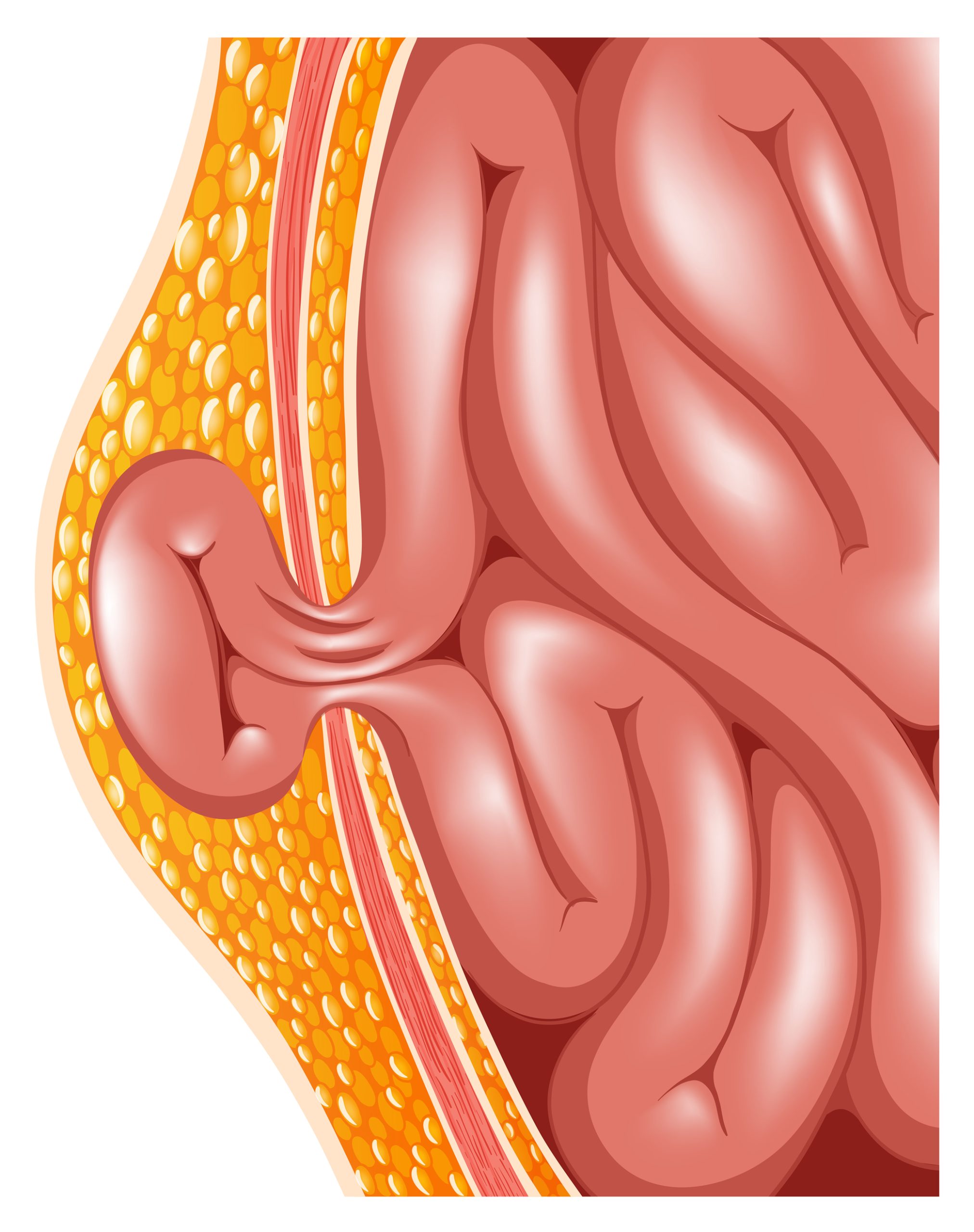
As a surgeon who performs a high volume of both laparoscopic (keyhole) and open inguinal hernia repairs, the most common question I hear isn’t about the mesh or the stitches—it is about how the recovery feels.
While hernia repair is one of the most common and successful surgeries performed worldwide, the groin is a complex intersection of muscles, nerves, and blood vessels. Because of this, changes in sensation are not just possible; to some degree, they are expected.
If you are planning your surgery or recovering from it, here is the reality of what happens to your nerves and comfort levels during the healing process.
- The Immediate Recovery: “Is this normal?”
In the first few days, surgical pain is obvious. However, patients are often surprised by where they feel it.
- Bruising and Swelling: It is common for gravity to pull blood and fluid downward, leading to bruising in the scrotum or labia, even if the incision is higher up. This can cause a heavy, aching sensation.
- Referred Pain: Particularly with laparoscopic surgery, the gas used to inflate the abdomen can sometimes irritate the diaphragm, causing a surprising ache in the shoulder. This usually resolves within 24 to 48 hours.
- Numbness and Tingling (Altered Sensation)
This is the aspect that worries patients the most, but it is usually benign. The inguinal canal is like a busy highway for small sensory nerves (specifically the ilioinguinal, iliohypogastric, and genitofemoral nerves).
During surgery, whether open or laparoscopic, these microscopic nerves may be gently moved or come into contact with the mesh.
- Numb patches: You may notice a patch of skin near the incision or on the inner thigh that feels numb or “wooden.” This is often due to tiny skin nerves being divided during the incision.
- Tingling/Burning: As nerves heal, they can be hypersensitive. You might feel short zaps, burning, or a “pins and needles” sensation.
- The “Mesh Sensation”: Some patients describe being aware of a “foreign body” or stiffness in the groin. As your body integrates the mesh over 3–6 months, this sensation typically fades entirely.
- Laparoscopic vs. Open: The Difference in Feeling
Because I tailor the approach to the patient, my patients experience recovery differently depending on the method used:
- Laparoscopic Repair: generally results in less acute pain in the first week because the incisions are tiny and away from the complex groin nerves. However, deep ache from the mesh placement is still possible.
- Open Repair: May involve more soreness at the skin level because the incision is larger. There is a slightly higher chance of temporary numbness around the scar itself.
- When should I worry?
Most altered sensation resolves on its own over weeks or months. However, “Chronic Groin Pain” (pain lasting longer than 3 months) is a rare but known risk.
In my practice, I take meticulous care to identify and protect these nerves during the operation to minimize this risk. If you experience severe, sharp pain that prevents you from moving, severe swelling, or fever, you should contact the office immediately.
The Bottom Line
Recovery is not a straight line. You may have a great day followed by a sore day. Sensation changes, numbness, and odd twinges are usually signs that your body is healing and knitting tissues back together.
My goal is to get you back to full activity—pain-free—as safely and efficiently as possible.