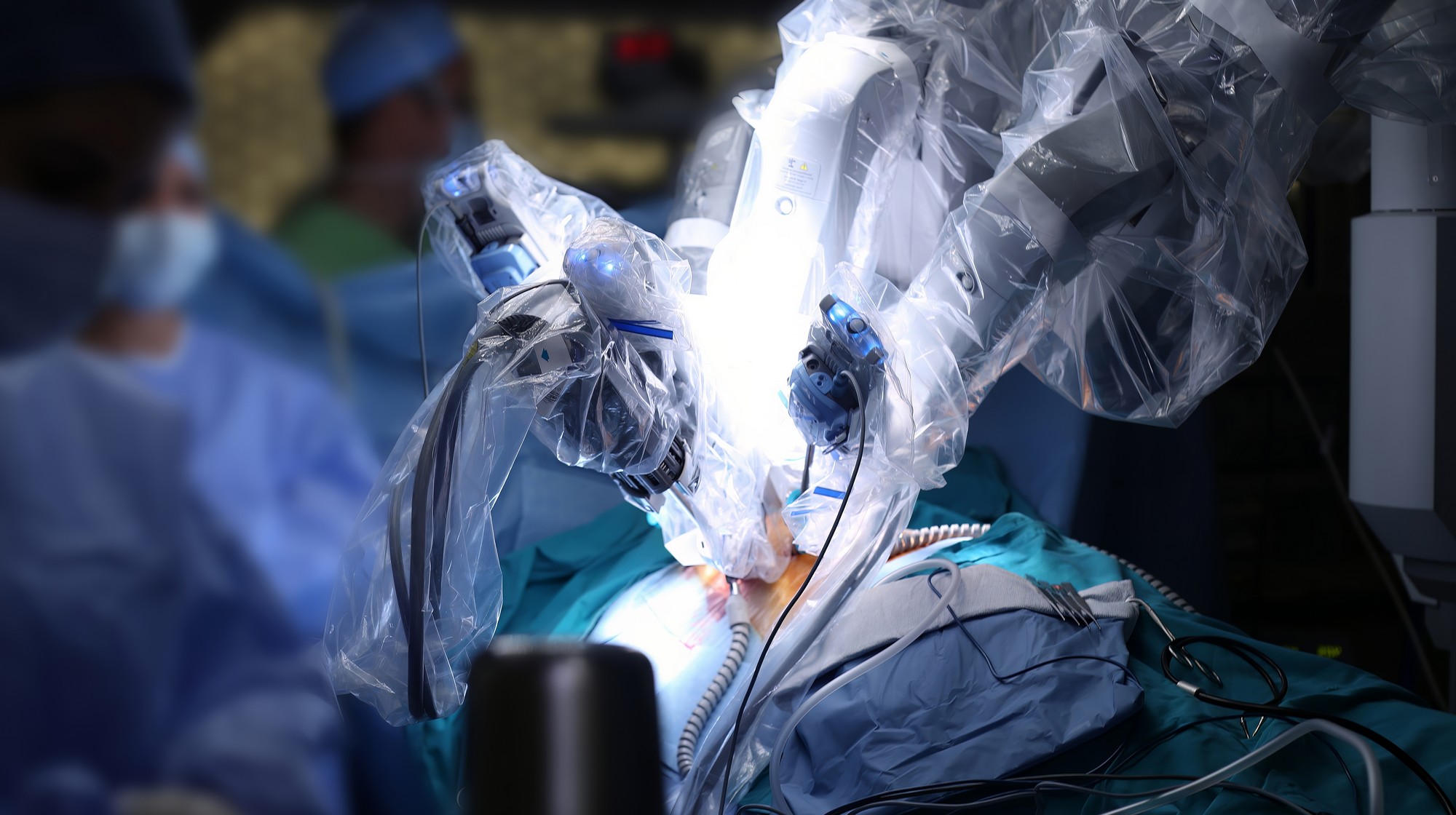
As an HPB surgeon, I am closely watching the rapid expansion of robotic platforms across New Zealand’s operating theatres. With this technological wave comes an inevitable question from both patients and colleagues: Should robotic cholecystectomy become our routine standard of care?
If we look strictly at the data for an uncomplicated, everyday gallbladder removal, the short answer is no. A review by our group in 2022 showed that for routine cases, conventional laparoscopy remains a superb gold standard—it is highly cost-effective, boasts decades of proven safety, and delivers identical clinical outcomes to the robot without the added capital expense or setup time.
The true value of the robotic platform isn’t found in the straightforward cases. In certain scenarios, however, and for experienced users, the robot shifts from a technological luxury to a net safety gain.
Emerging global data and clinical registries demonstrate that the robot’s unique capabilities—such as 3D high-definition visualization, tremor filtration, and wristed, articulating instrumentation—provide a distinct edge in high-risk scenarios:
- Gallbladder Cancer: When there is a high suspicion of or confirmed early-stage gallbladder malignancy, a standard cholecystectomy is insufficient. The robot provides the precise micro-dissection and dexterity required to perform an extended cholecystectomy, including a formal lymphadenectomy and precise liver bed resection, with oncological rigour.
- Mirizzi Syndrome: This occurs when a gallstone becomes impacted in the gallbladder neck, causing severe external compression or fistulisation into the common bile duct. The distorted anatomy increases the risk of bile duct injuries. The robot’s extreme magnification and wristed articulation allow for the meticulous, multi-planar dissection needed to safely navigate this interface.
- Cirrhotics and Portal Hypertension: Surgery on a patient with liver cirrhosis carries a risk of bleeding from collateral vessels that is much higher than for routine cholecystectomy. Recent analyses from the National Surgical Quality Improvement Program (NSQIP) database have shown that the robotic approach is associated with a significantly lower rate of conversion to an open operation in cirrhotic patients, allowing surgeons to maintain a minimally invasive approach while securely controlling bleeding.
- The “Re-Operative” Field (Previous Cholecystostomy, Attempted Cholecystectomy, and Gallbladder Remnants): Re-entering the right upper quadrant can be difficult (to put it mildly!). Whether a patient previously had a percutaneous cholecystostomy tube placed, an aborted/attempted cholecystectomy due to dense inflammation, or is presenting with “remnant cholecystitis” from a previous subtotal cholecystectomy, the tissue is invariably fibrotic and scarred.
Recent cohort studies focusing on re-operative biliary surgery show that robotic completion cholecystectomy is highly safe and effective. Traditional laparoscopic re-operations carry open conversion rates as high as 47% and elevated bile duct injury rates. The robotic approach lowers the risk of conversion, allowing the surgeon to precisely skeletonize the original anatomy and safely excise the residual gallbladder stump minimally invasively.
ICG
Beyond the mechanics of the robotic arms, Near-Infrared Fluorescence Cholangiography using Indocyanine Green (ICG) assists in biliary surgery. By illuminating the biliary anatomy in real-time, a road-map can be created which is very helpful when there is significant inflammation or distorted anatomy or anatomical variants.
The Verdict: The Right Tool for the Right Job
We should not use the robot routinely; doing so places an unnecessary financial burden on our healthcare infrastructure for no added patient benefit. Conventional laparoscopy is, and should remain, the workhorse for the standard gallbladder. In specific scenarios, however, robotic cholecystectomy is an important part of the armamentarium when deciding on an operative approach.