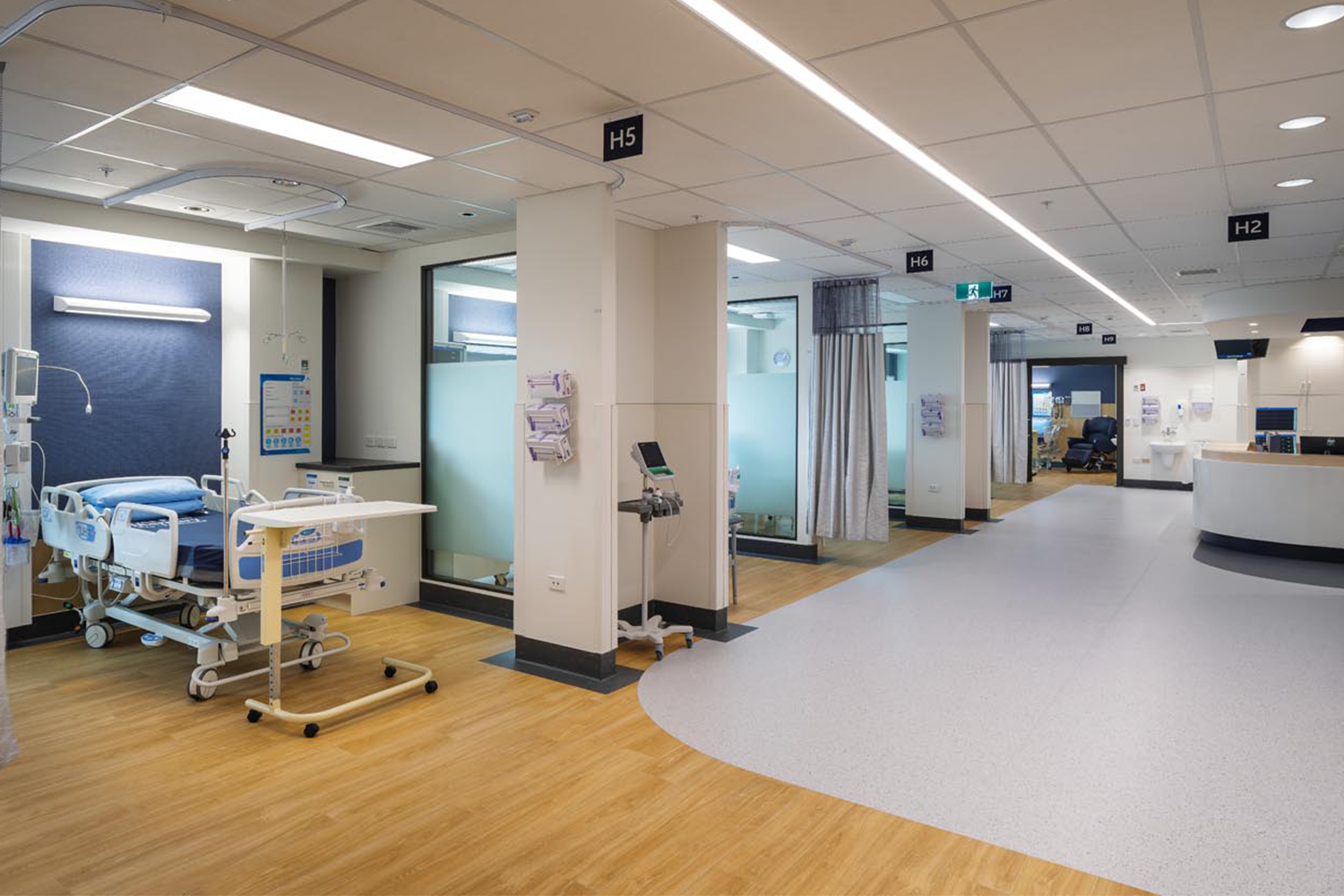
Over the course of my career in HPB surgery, I have spent countless hours inside New Zealand hospitals. But my perspective on the hospital environment hasn’t just been shaped from behind a surgical mask or a computer screen. I have also stood on the other side of the bed as a visitor, and I have worn the gown as a patient (though thankfully not for anything too serious).
These three vantage points—clinician, patient, and visitor—teach you very quickly that hospitals are unique, high-stress ecosystems. When you visit a friend or family member who is unwell or recovering from major surgery, your intentions are always rooted in care and love. However, navigating the physical and emotional landscape of a ward requires some situational awareness.
Being a “good visitor” isn’t about following rigid, formal rules; it is about empathy, practicality, and respecting the working conditions of the hospital ward. Here are a few practical tips drawn from all sides of the bedside.
- Read the Room (and the Patient’s Energy)
When you arrive, your instinct is often to engage, talk, and bring a lively energy into the room. But sometimes patients experience profound physical and cognitive fatigue—the kind where even a cheerful conversation feels like running a marathon.
Before launching into a detailed update or asking questions, take a moment to assess the patient’s actual state. Are they resting? Are they wincing from pain? If they are clearly exhausted, your best contribution might be sitting quietly in a chair, reading a book, or handling a simple, practical task so they can sleep. Your presence alone is often enough; you do not need to fill every minute with conversation.
- Time Your Visits and Mind the Ward Rhythm
Hospitals operate on a very specific (and thus predictable) rhythm. Wards have shift changes, medication rounds, vital sign checks, ward rounds, and physiotherapist visits.
- Check the schedule: Always check visiting hours, but also be mindful of meal times and rest periods.
- Be ready to step out: If the nursing staff or medical team walks in to assess the patient or perform a dressing change, gracefully step out of the room immediately. Do not wait to be asked. It preserves the patient’s privacy, allows the staff to work efficiently, and keeps the flow of the ward moving.
- Leave the Sick-Bed Drama at the Door
Hospital wards are shared, vulnerable spaces. When you visit, keep your volume down and be mindful of neighbouring patients who may be recovering from major operations, struggling with pain, or receiving difficult news.
Furthermore, keep outside emotional or personal drama out of the room. A patient dealing with post-operative recovery or a serious diagnosis does not have the emotional bandwidth to absorb external stress. Be a source of calm, stability, and comfort.
- Practice Flawless Hygiene
I cannot overstate the importance of infection control. Hospitals are filled with patients that have vulnerable immune systems, even if it isn’t the person you’re visiting.
- Use the hand sanitizer pumps located at every hospital entrance and ward door every single time you cross a threshold.
- If you are feeling unwell—even if you think it’s “just a mild cold,” a tickly throat, or the start of a stomach bug—stay home. Missing a visit for a day or two is infinitely better than inadvertently passing an infection to a recovering patient.
- Be Kind to the Staff
When someone you love is in the hospital, it is entirely natural to feel protective, anxious, and occasionally frustrated by delays. However, the nurses, allied health professionals and doctors are managing heavy workloads under immense pressure.
Being a supportive visitor means extending that same empathy to the healthcare team. A polite “thank you,” a patient attitude when a call bell takes a moment to be answered, and basic courtesy go a long way. When the staff know they are supported by a kind, collaborative family, the entire care environment improves for everyone.
The Ultimate Goal
Visiting someone in the hospital is an act of love and solidarity. By balancing your desire to connect with an awareness of the patient’s recovery needs and the ward’s daily routine, you transform your visit from an exhausting obligation into what it is truly meant to be: a genuine source of healing and comfort.