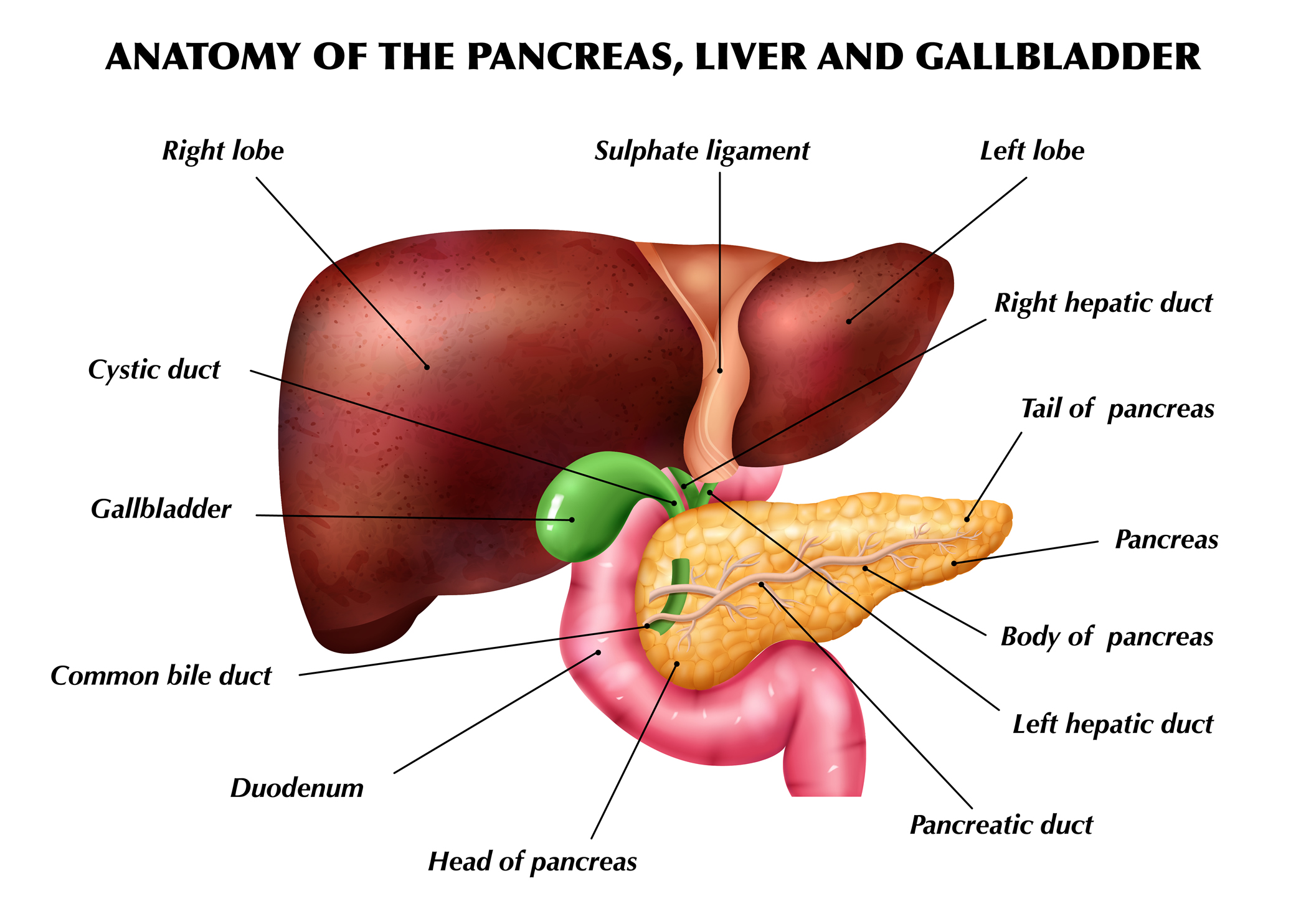
Hepatopancreatobiliary (HPB) surgery is a subspecialty of general surgery that manages disorders of the liver, pancreas, gallbladder, and bile ducts. While often associated with cancer care, the field also encompasses benign conditions such as complex gallstone disease and chronic pancreatitis.
The Role and Operative Workload
An HPB surgeon’s workload is divided between complex operative procedures and intensive multidisciplinary coordination.
- Operative Volume: High-volume units typically perform 100 or more major HPB procedures annually.
- Procedure Complexity: Major operations like the Whipple procedure (pancreaticoduodenectomy) or anatomical liver resections are lengthy, often taking several hours to complete.
- Non-Operative Commitments: Significant “hidden work” includes weekly Multidisciplinary Team (MDT) meetings to discuss 50+ cases, as well as managing complex perioperative care for patients who may stay in the hospital for weeks.
- On-Call Demands: In tertiary centers, surgeons often rotate through specialist HPB on-call duties, which include managing acute biliary emergencies, liver trauma, and sometimes organ retrieval for transplantation.
Significant Additional Training
The pathway to HPB surgery requires extensive commitment beyond standard surgical residency.
Royal Australasian College of Surgeons
- Foundation (7–9+ years): After a medical degree and residency, trainees must complete the five-year Surgical Education and Training (SET) program. They must pass the RACS fellowship exams to become a Fellow of the Royal Australasian College of Surgeons (FRACS).
- Subspecialty Fellowship (2+ years): Only after achieving FRACS can a surgeon apply for specific training in HPB Surgery . This additional two-year commitment is mandatory and involves:
- Mandatory Relocation:Trainees are generally required to work in two different hospital units, often in different cities, to gain varied clinical exposure.
- Clinical Requirements:Fellows must maintain a detailed logbook (using the and be the primary operator for a high volume of complex cases.
- Academic Rigour:Completion requires participating in research, presenting at national meetings, and passing a final exit examination.
Professional Oversight: AANZHPBA and AHPBA
Training standards are maintained by regional and international bodies to ensure consistent care.
- AANZHPBA: In Australia and Aotearoa New Zealand, this association administers the region’s accredited training program, ensuring that only those who have completed audited, high-volume training are certified.
- AHPBA: The Americas Hepatopancreatobiliary Association performs a similar role in North America, requiring fellows to complete similar rigorous requirements.